
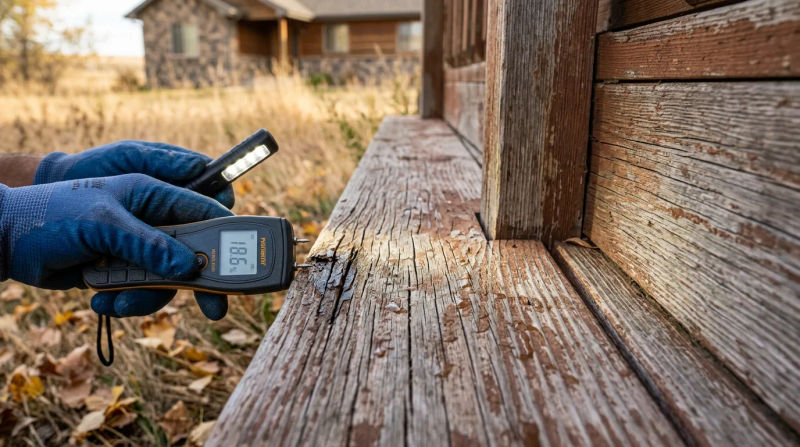
As a remodeler who has spent over a decade working on homes in and around Morgan County, I’ve learned to read the seasons. That first crisp September air isn’t just a sign that fall is here; it’s a final call to inspect your home’s exterior wood. I see it every year: you step out onto your deck with a morning coffee, and suddenly you notice the wood looks tired and worn. That rich, warm color has been replaced by a faded, chalky gray, and maybe you even spot a few splinters starting to lift.
Here in Snyder, our climate is tough on wood. The intense sun, dry air, and rapid temperature swings are a recipe for finish failure. What starts as a small cosmetic issue in late summer can quickly become a major problem once the first snow arrives, trapping moisture against unprotected wood for months. Taking a few minutes to check your deck and trim now can save you from a much bigger, more expensive project next spring.
Common Signs and Symptoms
Recognizing the early deck restaining signs is the key to preventative maintenance. It’s not just about looks; it’s about protecting the wood itself from damage. From my experience on job sites, here are the most common red flags my team and I look for.
- Fading and Uneven Color: This is often the first sign. The sun's UV rays are relentless, breaking down the pigments in the stain. Areas that get direct sun will fade much faster, leaving your deck or trim looking patchy and neglected. If the color is gone, the UV protection is gone, too.
- Peeling, Flaking, or Cracking: If you see the finish physically lifting off the wood, the seal has been broken. This is a critical failure. You might notice this on the flat surfaces of your deck or on the sharp edges of your window trim. This problem of a cracked exterior trim finish in Colorado is common due to our drastic day-to-night temperature changes, which cause the wood to expand and contract, stressing the stain until it cracks. Widespread peeling wood stain in Snyder is a clear signal that a simple re-coat won't be enough; significant prep work is needed.
- Water Soaks In, Not Beads Up: This is the most definitive test for your stain’s health. It’s called the water bead test for deck stain, and it’s simple. Sprinkle a few drops of water onto the surface. If the water forms tight little beads that sit on top, your stain is still doing its job of repelling moisture. If the water spreads out and soaks into the wood within a minute or two, turning it dark, the protective barrier has failed. The wood is now a sponge, absorbing every drop of rain and snowmelt.
- Gray Wood Fibers: When wood is left unprotected, UV rays and moisture begin to break down its surface fibers. This results in a silvery-gray appearance. While some people like this weathered look, it’s a sign that the wood is deteriorating and is now vulnerable to rot and splintering.
- Splintering and Surface Roughness: Run your hand carefully over the surface (watch for splinters!). If it feels rough, fuzzy, or you can feel fibers lifting, it means the wood is drying out and breaking down. This is not only a sign of a failed finish but also a safety hazard, especially on a deck where you, your family, and your pets walk.
- Visible Mold or Mildew: Dark, spotty patches, especially in shaded or damp areas, are likely mold or mildew. This growth thrives on moisture-laden wood. It’s a clear indicator that your stain is no longer preventing water from penetrating the surface.
What Causes This Problem
Understanding why your deck or trim finish is failing helps you appreciate why proper maintenance is so important. It’s not just about age; it’s about a constant battle with our unique Colorado environment.
First and foremost is UV exposure. The sun is the number one enemy of any exterior finish. Here at our high altitude, the UV radiation is more intense, and it relentlessly attacks the pigments and binders in the stain, causing them to fade and break down. It also damages the wood fibers themselves.
Next is our infamous moisture cycle. Snyder experiences dramatic temperature swings. A deck can bake in the hot afternoon sun, only to be hit with a cool rain shower or heavy dew overnight. When the wood is unprotected, it absorbs this moisture and swells. Then, as it dries out quickly in our arid climate, it shrinks. This constant cycle of swelling and shrinking puts immense stress on the wood and any finish applied to it, leading to the cracks and peeling you see.
This is especially true for the beautiful, historic homes we have in Snyder. Many of these pre-1940s structures were built with dense, old-growth lumber for their framing and trim. This wood is incredibly resilient, but after a century of exposure, its protective finish is its only defense. Once that finish fails, these older materials can absorb moisture deeply, making them susceptible to rot if not addressed before winter.
Finally, there’s physical wear and tear. On a deck, foot traffic, dragging furniture, and even shoveling snow in the winter physically grinds down the finish, creating weak spots where moisture and UV rays can begin their attack.
When to Call a Professional
So, you've done your inspection and found some issues. The next question is whether this is a weekend DIY project or a job for an experienced professional. As someone who has seen both successful DIY jobs and projects that needed professional rescue, my advice is to be honest about the scope of the work and your own capabilities.
You might be able to handle it yourself if:
- The deck is relatively small and on a single level.
- The primary issue is just fading, with no significant peeling or flaking.
- You have the right tools (a pressure washer, sander, quality brushes) and, most importantly, the time to do the prep work correctly. Proper prep is 90% of the job.
I strongly recommend calling a professional if:
- You see widespread peeling, cracking, or flaking. Correctly stripping a failed finish without damaging the wood below requires experience and the right equipment. This is especially true for issues like peeling wood stain in Snyder, where improper removal can gouge the wood.
- You perform the water bead test for deck stain and the water soaks in immediately across large areas. This often means the wood is saturated and needs more than a light sanding before a new coat can be applied.
- There are signs of soft, punky wood, which indicates rot. This is no longer a staining project; it's a repair project that needs a professional assessment to ensure the structure is safe.
- Your home has historic wood trim, like many of the pre-1940s houses in the area. A professional will know how to carefully prepare and treat this aged wood to preserve its integrity.
- You simply don’t have multiple days to dedicate to cleaning, stripping, sanding, and staining. A professional team can execute the job efficiently and correctly, ensuring the finish lasts for years to come.
Conclusion
Your deck and exterior trim are significant investments that add beauty, function, and value to your home. Here in our demanding Colorado climate, a quality wood stain is their only line of defense. By taking the time this September to look for the key warning signs - fading color, peeling finishes, and, most critically, water absorption - you can catch problems early.
Waiting until spring often means the damage has already been done by a long winter of trapped snow and ice. A little bit of maintenance now can prevent a major restoration project later. Protecting your exterior wood is one of the smartest things you can do to prepare your home for the coming seasons.
If you notice any of these signs, contact a local, qualified professional for an inspection. They can help you understand the condition of your wood and recommend the best course of action to protect it for years to come.