

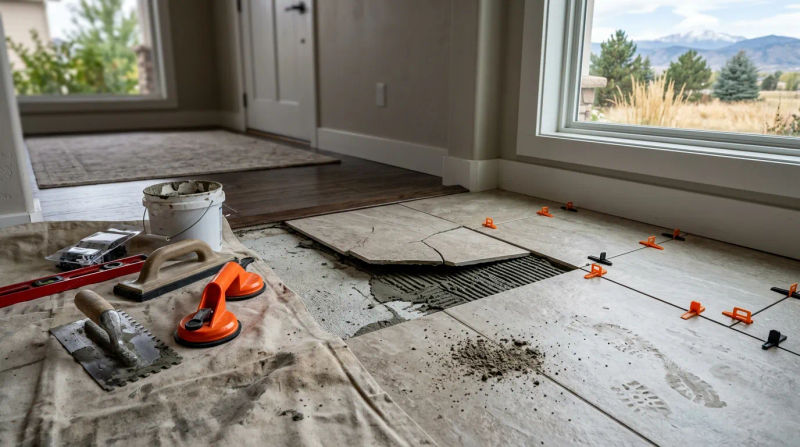
Hi, I’m Jordan Ramirez, a Field Superintendent here in the Morgan County area. After a dozen years remodeling homes, I know that one of the first questions on any homeowner's mind is, "What's this going to cost me?" It's a fair question, and when it comes to something like tile repair, the answer isn't always simple. My goal here is to give you a transparent, no-nonsense guide to tile repair pricing so you can budget wisely and know what to expect.
Here in Orchard, those cooling September nights are a sure sign that winter is on its way. That means more grit, salt, and moisture getting tracked into our homes from boots. Your entryway tile takes the brunt of this abuse. A small, loose tile today can become a cracked, water-damaged problem by spring. That's why now is the perfect time to assess any damage and plan for repairs before the wear and tear accelerates.
Average Costs in Orchard
Let's get straight to it. Providing a flat rate is tough because every job is unique, but I can give you some realistic ranges based on what my team and I see in the Orchard area. This will help you understand if an Orchard CO tile repair estimate you receive is in the right ballpark.
- Small, Simple Repairs: $250 - $500
This range typically covers straightforward jobs. Think one to three cracked ceramic tiles in an open area like an entryway, or a small section of failing grout in a hallway. The job usually involves carefully removing the damaged pieces, cleaning the area, setting the new tile, and matching the grout. This price assumes you have matching replacement tiles on hand and there's no damage to the subfloor underneath.
- Moderate Repairs: $500 - $950
This is where things get a bit more involved. This budget might cover repairing a larger section of 5-10 loose or broken tiles, or completely regrouting a small bathroom floor. The loose floor tile repair cost factors start to become more prominent here. The price increases because of the additional labor needed to remove more material, prepare a larger surface, and potentially hunt down matching tiles if you don't have any extras.
- Complex or Large-Scale Repairs: $1,000+
When costs climb into this range, it's almost always because we've uncovered a deeper issue. The most common culprit is subfloor damage from a long-term, slow leak or from moisture wicking through cracked grout lines over years. Repairing a water-damaged or rotted subfloor is non-negotiable for a lasting fix. This category could also include intricate work with expensive natural stone, repairs in a shower that require re-waterproofing, or situations where a large area of tile has failed.
It's also important to understand the grout repair vs tile replacement price. Simply touching up a few grout lines might be a small handyman task. However, if the grout is crumbling everywhere, it often needs to be completely ground out and replaced - a labor-intensive job that can sometimes cost as much as replacing a few tiles.
Factors That Affect Price
Why can one estimate be double another? It all comes down to the details. Here are the main variables I look at when pricing a job.
- The Scope and Type of Damage: Is it a single hairline crack, or is the tile tenting up and loose underfoot? A loose tile often signals a bonding failure, which means we need to investigate why it failed. Cracked tiles are often simpler, but we still need to ensure the impact didn't compromise the substrate.
- Tile Material and Availability: Replacing a standard 12x12 ceramic tile from a home improvement store is very different from sourcing a discontinued porcelain tile from 15 years ago or a custom-cut piece of slate. Natural stone like marble or travertine requires special tools and sealants, adding to the labor cost. If we have to spend hours searching for a match, that time factors into the cost.
- Subfloor Condition: This is the biggest unknown and the most critical factor. Tile is only as good as the foundation it sits on. If I tap on a loose tile and it sounds hollow, or if I see signs of water staining on the grout, my first thought is to check the subfloor. Plywood or OSB that's soft, swollen, or moldy must be cut out and replaced. Ignoring this means the new tile will fail again, guaranteed.
- Location of the Repair: A repair in the middle of a wide-open kitchen floor is much easier than one in a tight bathroom corner, around a toilet flange, or inside a shower. Showers, in particular, require meticulous waterproofing steps to prevent future leaks, which adds time and material costs.
- Labor and Preparation: A quality repair involves more than just sticking a new tile down. It includes protecting the surrounding area from dust, carefully chiseling out the old tile and grout without damaging adjacent pieces, scraping the old thin-set mortar to create a clean surface, and then properly setting the new tile. Rushing these steps is how you get a repair that doesn't last.
How to Get the Best Value
Everyone wants to save money, but cutting the wrong corners on tile repair will cost you more in the long run. Here’s how to be smart about your budget.
- Act Quickly: That one wobbly tile in your entryway? It’s letting a tiny bit of moisture and grit underneath it every time you step on it. Fixing it now might cost a couple hundred dollars. Waiting until the subfloor is damaged could turn it into a thousand-dollar project.
- Keep Your Extra Tile: When you or a previous owner installed your tile, hopefully, they bought an extra box. Having the original tiles on hand is the single biggest money-saver in tile repair. It eliminates the cost and headache of searching for a match.
- Bundle Your Repairs: If you have a cracked tile in the kitchen and some failing grout in the bathroom, get them quoted together. You’ll save on service call fees and labor costs by having a contractor handle everything in one visit.
- Understand the Materials: When comparing quotes, see if the material costs are broken out. If one contractor is using a premium, flexible mortar and another is using a basic mix, the prices will be different. The premium materials often provide better adhesion and crack isolation, making them a better long-term value.
Questions to Ask Your Contractor
When you get an Orchard CO tile repair estimate, you are in the driver's seat. A good contractor will be happy to answer your questions. Here are a few I recommend asking:
- How do you plan to match my existing tile and grout color? A pro will have techniques for this, like taking a sample piece to match and using different grout tints.
- What is your process if you find subfloor damage? They should have a clear plan and be able to explain how it would affect the cost and timeline.
- How will you contain dust and protect the rest of my home? Look for answers that involve plastic sheeting, drop cloths, and thorough cleanup.
- Is your estimate comprehensive? Ask if it includes all materials, labor, and disposal fees, or if things could be added on later.
- What kind of warranty or guarantee do you offer on your repair work? This shows they stand behind the quality of their craftsmanship.
Ultimately, repairing tile correctly is about ensuring the longevity and value of your home. It's more than just a cosmetic fix; it’s about maintaining the integrity of your floors. Taking the time to understand the costs and hiring a trustworthy professional will save you headaches and money down the road.
I hope this guide has given you the confidence to tackle your tile repair project. If you're in the Orchard area and want a clear, detailed look at your specific situation, my team would be happy to help. For a personalized estimate, contact A1M Construction for a free consultation.